
Introduction
Stars do not live forever, just like people. Stars are born, live their lives, changing or evolvingas they age, and eventually they die. Often stars do this in a much more spectacular way than humans do!
Scientists speak of stellar evolution when talking about the birth, life and death of stars. The lifetime of individual stars is way too long for humans to observe the evolution of a single star, so how do scientists study stellar evolution? This is possible as there are so many stars in our galaxy, so we can see lots of them at different stages of their lives. In this way, astronomers can build up an overall picture of the process of stellar evolution. In this chapter you will discover how stars are born, how they evolve, and how they die.

Birth
Stars are born in vast, slowly rotating, clouds of cold gas and dust called nebulae (singular nebula). These large clouds are enormous, they have masses somewhere between 100 thousand and two million times the mass of the Sun and their diameters range from 50 to 300 light years across.

Life
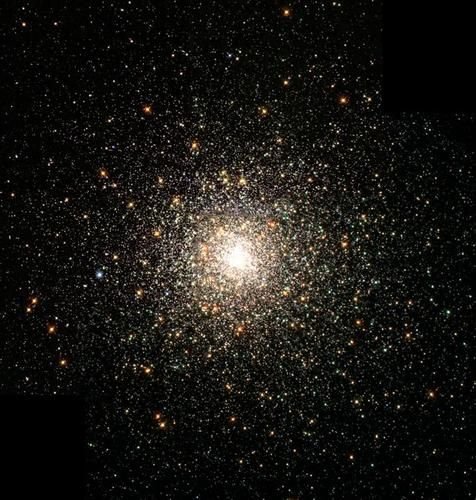
A star is considered to be ‘born’ once nuclear fusion reactions begin at its centre. Initially hydrogen is converted to helium deep inside the star. A star that is converting hydrogen to helium is called a main sequence star. Stars spend most of their lives as main sequence stars, converting hydrogen to helium at their centres or cores. A star may remain as a main sequence star for millions or billions of years.

How long a main sequence star lives depends on how massive it is. More massive stars move onto the next stages of their lives more quickly than lower mass stars. In fact they are main sequence stars for a shorter time than lower mass stars.
A higher-mass star might have more material, but it also uses up the material more quickly due to its higher temperature. For example, the Sun will spend about 10 billion years as a main sequence star, but a star 10 times as massive will last for only 20 million years. A red dwarf, which is half the mass of the Sun, can last 80 to 100 billion years.
When the hydrogen in the centre of the star is depleted, the star’s core shrinks and heats up. This causes the outer part of the star, the star’s atmosphere, which is still mostly hydrogen, to start to expand. The star becomes larger and brighter and its surface temperature cools so it glows red. The star is now a red giant star. Betelgeuse, as you observed in the last activity, is a red giant star.
Eventually the core of the star becomes hot enough for the next nuclear reaction to start: atoms of helium collide and fuse into heavier elements such as carbon and oxygen. However, eventually the helium in the core will also be depleted. From this point onwards, the fate of the star is determined by its mass.
Death
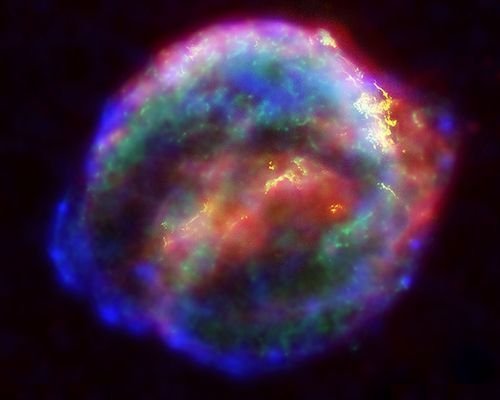
As a star enters the final stages of its life, after it has become a red giant, the star becomes unstable and expands and contracts over and over. This causes the star’s outer layers to become detached from the central part of the star and they gently puff off into space. When the last of the gas in the star’s outer layers is blown away, it forms an expanding shell around the core of the star called a planetary nebula. Planetary nebulae glow beautifully as they absorb the energy emitted from the hot central star. They can be found in many different shapes.


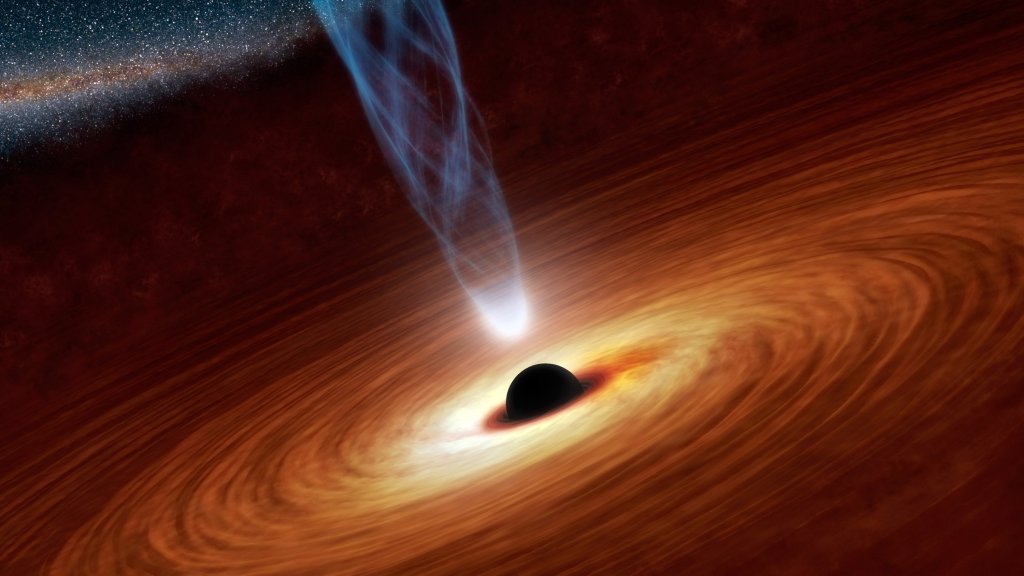
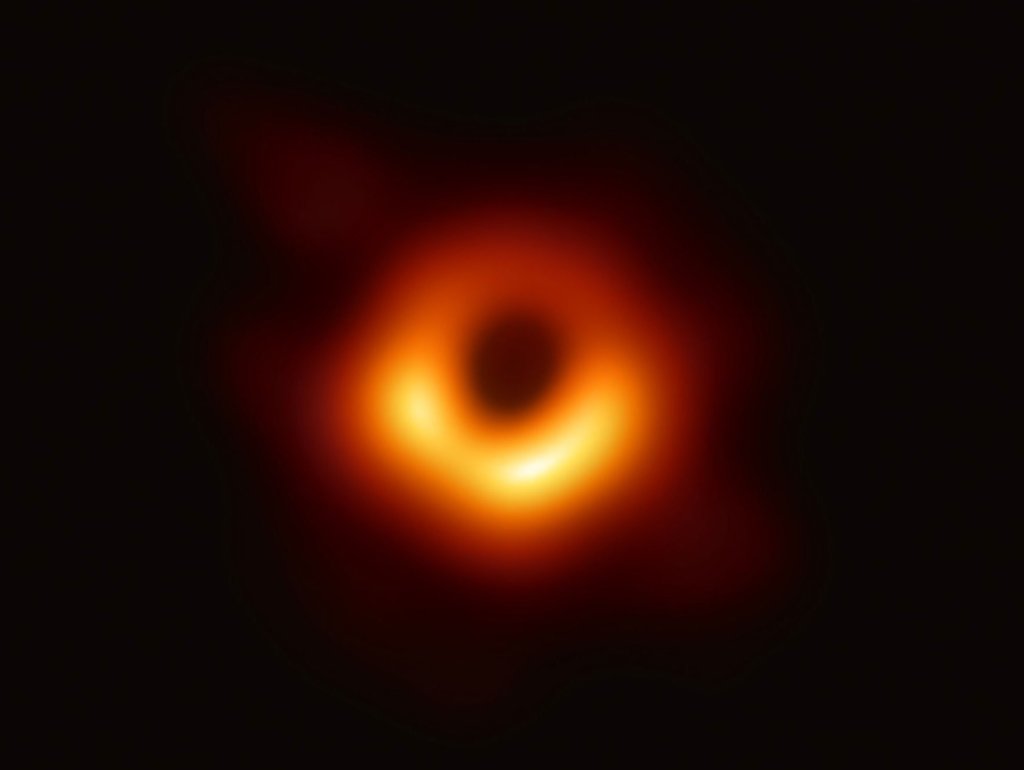
The central star left behind is either made of neutrons and it is called a neutron star, or if the initial star was really massive, a black hole forms. The leftover neutron star or black hole is surrounded by an expanding cloud of very hot gas.
Contact information
Name : Yuvraj Singh Chauhan
Roll.no : 20191CSE0718
Sec : PC18
 Stellar